Industrial Pitot Tube Pump for High Pressure Low Flow Service

Pitot tube pumps are engineered for high pressure, low flow, and high head industrial applications where stable operation and careful pump selection are required.

Request a Quote Request Technical Datasheet
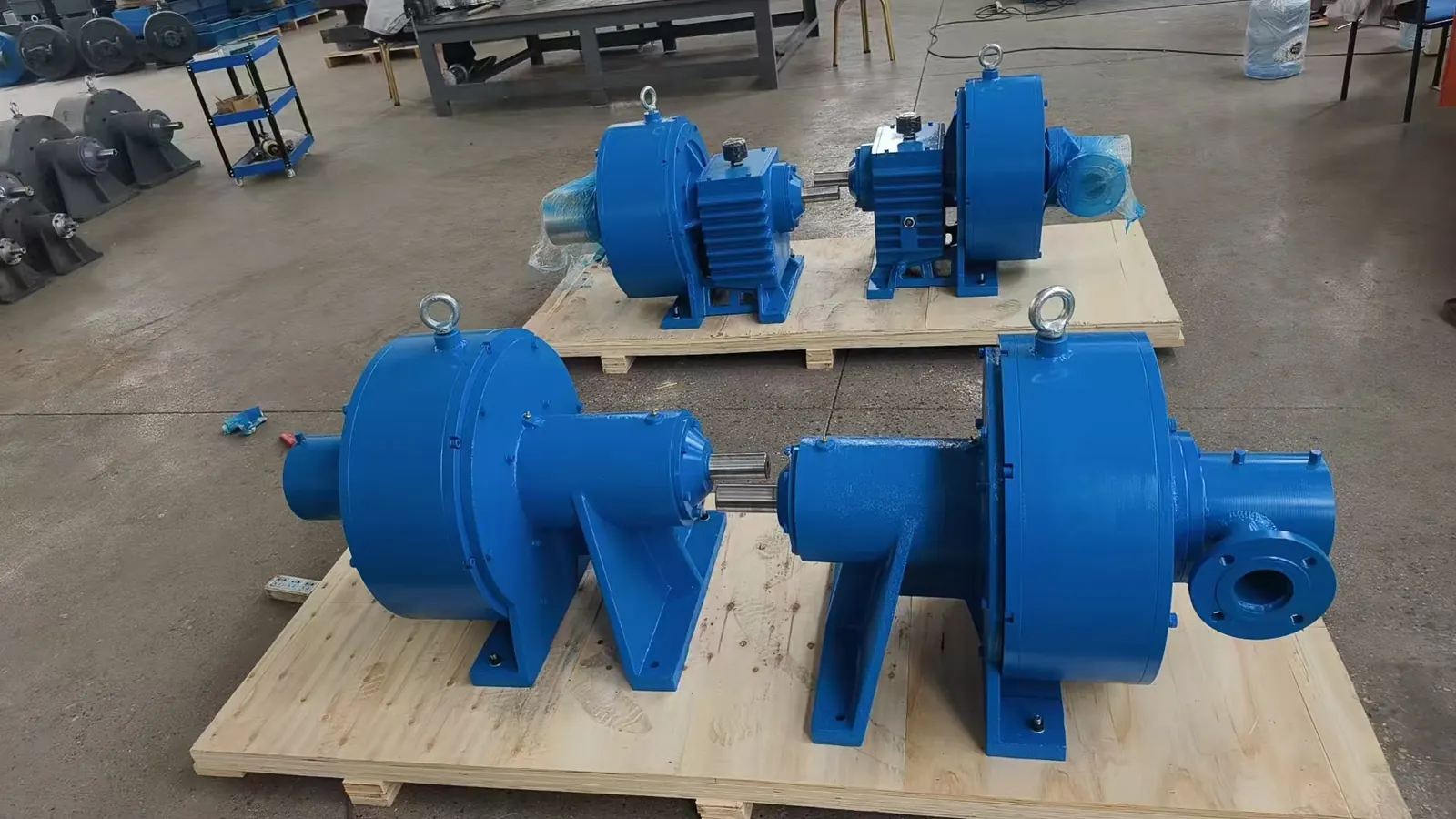
EHIK bare-shaft pitot tube pumps with bearing frames on a shipping pallet

What Is a Pitot Tube Pump?

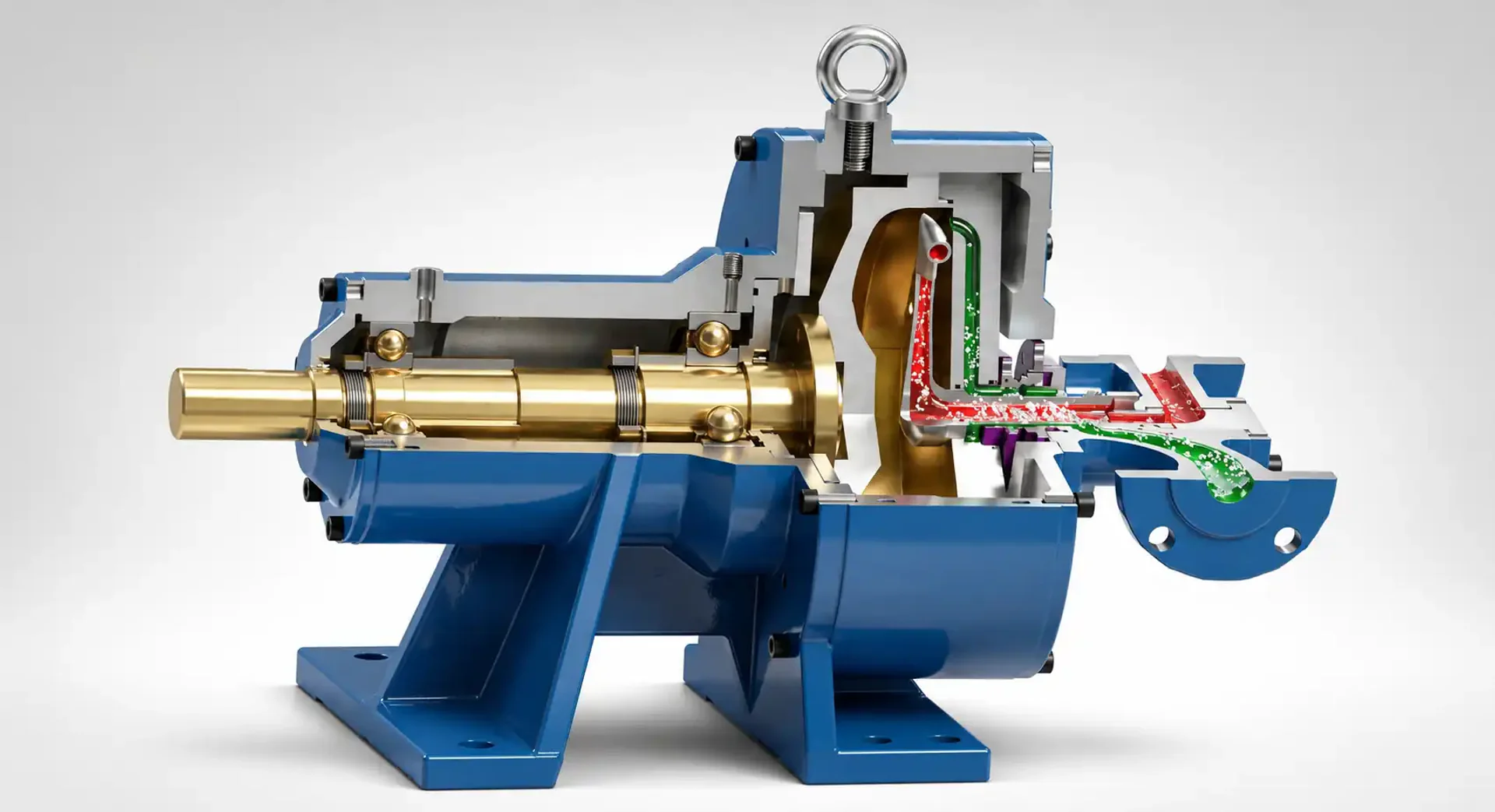
A pitot tube pump is a specialized pump based on centrifugal pump technology. The detailed pitot tube pump working principle uses a rotating casing and a stationary pitot tube to convert velocity energy into discharge pressure instead of using multiple impeller stages to build pressure.

Fluid rotates inside the casing, gains velocity, and is collected by the pitot tube. This velocity energy conversion creates pressure generation suitable for selected high pressure low flow pump applications.

How Pitot Tube Pump Works

Fluid Enters Rotating Casing

Process liquid enters the rotating casing and begins moving with the casing wall.

Fluid Gains Velocity

Rotational motion increases fluid velocity and stores energy in the moving liquid.

Pitot Tube Captures Flow

The stationary pitot tube captures the high velocity liquid from the rotating casing.

Velocity Converts Into Pressure

The captured velocity energy is converted into discharge pressure for the process.

Internal flow path diagram of pitot tube pump velocity conversion

High Pressure Low Flow Pump Applications

Pitot tube pumps are commonly evaluated for low flow high head duty in industrial process applications. They may be considered where difficult liquid conditions, process stability, or replacement evaluation make conventional pump selection more complex.

As an industrial high pressure pump option, final suitability depends on the actual duty point, fluid properties, suction conditions, material requirements, and operating environment.

Technical Performance Range

Standard Models

  • Flow rate: 0.05–70 m³/h (0.22–308 US GPM)
  • Discharge head: 0–1,000 m (0–3,281 ft)
  • Operating temperature: up to 260°C (500°F)
  • Liquid viscosity: <95 mPa·s (<95 cP)

Custom Performance Range

  • Single-stage head: 0–1,500 m (0–4,921 ft)
  • Flow rate: 0.05–100 m³/h (0.22–440 US GPM)

Maximum flow and maximum head are not available at the same operating point. Each selection is confirmed with its own performance curve; request the data sheet, performance curve and dimensional drawing for your duty.

Series, Materials and Construction

EHIK pitot tube pumps are built in seven series. The table lists the models, operating ranges and drive sizes in each series. Maximum flow and maximum head are not reached at the same point; each model is confirmed with its performance curve.

EHIK pitot tube pump series
SeriesModelsFlow (m³/h)Head (m)Motor power (kW)Bearing lubrication
180180S05s, 180S05, 180S07up to 5.540 – 1701.5 – 4Grease
260260S06, 260S08, 260S10, 260GS06, 260GS08, 260GS10up to 1280 – 4203 – 22Grease
280280S07, 280S09, 280S11, 280D11up to 30120 – 4205.5 – 55Oil bath
320320S07, 320S10, 320S12, 320S15up to 30120 – 45011 – 55Oil bath
390390S07, 390S10, 390S12, 390S15up to 58250 – 80011 – 160Oil bath
420420S07, 420S10, 420S12, 420S15up to 52230 – 1,00022 – 110Oil bath
450450S07, 450S10, 450S12up to 20300 – 46037 – 45Oil bath

Wetted Materials

Carbon steel, ductile iron, 304 or 316 stainless steel, depending on series and service. The pick-up tube is made from 17-4PH stainless steel.

Bearing Frames

Grease-lubricated bearings on the 180 and 260 series; oil-bath lubrication on the 280, 320, 390, 420 and 450 series.

Complete Sets

Supplied as a bare-shaft pump or as a set with motor, coupling and baseplate, and as skids with seal support systems where the service requires.

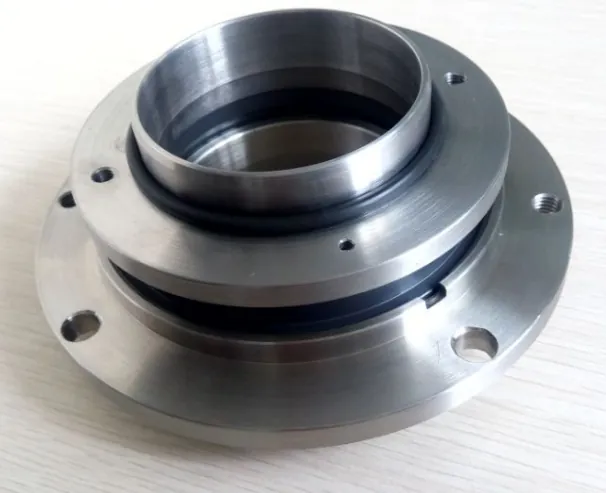
EHIK Patented Mechanical Seal

EHIK pitot tube pumps use a mechanical seal developed and patented by EHIK: a single-face, balanced, cartridge design.

  • On the low-pressure side: the seal sits at the pump inlet, not at discharge pressure, which supports reliable sealing and long seal life.
  • Cartridge design: the seal is replaced as one unit, so maintenance is quick and does not depend on setting individual seal parts.

The single seal is in service on carbon black feedstock oil, fuel oil, binder and additive pumps, on sour-water pumps in oil and gas fields, on high-pressure cleaning pumps in paper mills and on boiler feed pumps at natural gas purification plants. Double seals with a flush system are supplied where the liquid or site standards require them.

EHIK patented single-face balanced cartridge mechanical seal

Applications

Why Choose Pitot Tube Pump

Engineering Support

Application data can be reviewed before final pump selection and quotation.

Pump Selection Assistance

Duty point, fluid data, materials, and seal requirements can be evaluated for the process.

Replacement Evaluation

Existing applications can be reviewed through a multistage pump replacement evaluation or a Roto-Jet® replacement review.

Industrial Applications

Selection support is focused on industrial process conditions and high pressure low flow service.

Frequently Asked Questions

What are the main components of a pitot tube pump?

The hydraulic assembly includes a rotating casing, a stationary pitot tube, and passages that collect and discharge the liquid. Their combined action accelerates the liquid and recovers velocity energy as pressure.

What services are suitable for pitot tube pump evaluation?

Evaluation is most relevant to selected industrial duties with relatively low flow and high pressure or head. The complete operating range, suction conditions, and fluid behavior must still be checked for the application.

Which operating data is required to select the pump?

Selection requires minimum, normal, and maximum flow where available, pressure or head, suction conditions, fluid composition, temperature, viscosity, specific gravity, gas or solids content, and operating schedule.

How are materials, seals, drive configuration, and replacement requirements confirmed?

These items are reviewed against the fluid, temperature, pressure, site standards, and mechanical arrangement. For replacement work, provide the existing pump model, curve, motor data, nozzle details, base dimensions, and operating history when available.

Discuss Your Pump Application

Send your flow rate, pressure or head, fluid properties, temperature, viscosity, and current pump details for engineering review.